Plaistow E13 Garden Maintenance Guide for Terraced Homes
Terraced gardens in Plaistow, E13 can be wonderfully usable, but they also come with their own little quirks. Narrow access, overlooked corners, shared boundaries, patchy light, and a constant battle with weeds after a wet spell. If that sounds familiar, you're in the right place. This Plaistow E13 garden maintenance guide for terraced homes is designed to help you keep a compact London garden healthy, tidy, and genuinely enjoyable without turning every weekend into a second job.
Whether you're trying to tame an overgrown back garden, keep a small front strip looking smart, or simply figure out what actually needs doing each month, this guide breaks it down in plain English. We'll cover practical routines, common mistakes, tools that are worth having, and the situations where professional help makes life easier. You'll also find a realistic comparison of maintenance approaches, a checklist, and a few local-minded tips that suit the pace and layout of terraced living. Let's face it, a small garden can be brilliant - if it's looked after properly.
Why Plaistow E13 garden maintenance guide for terraced homes Matters
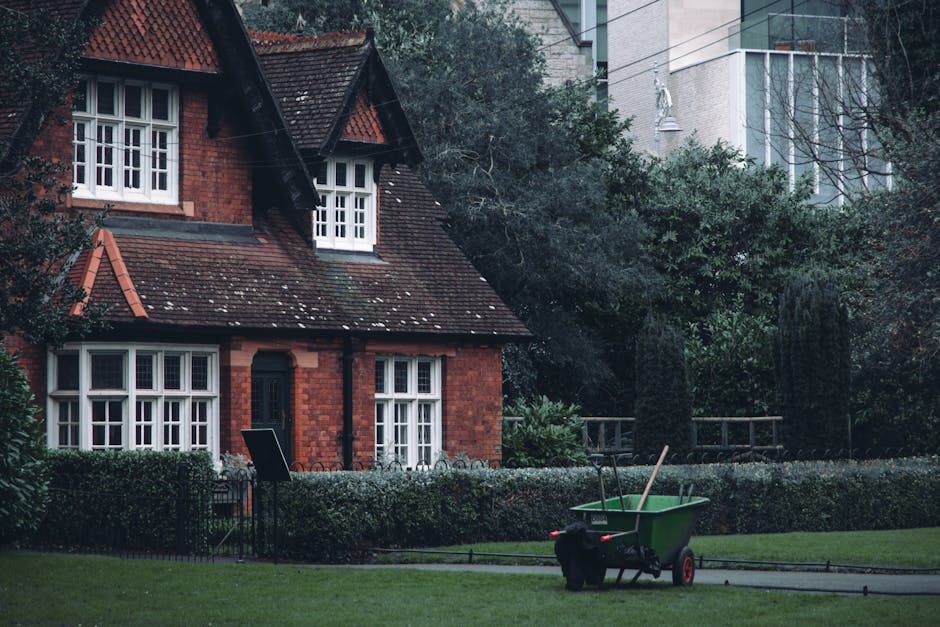
Terraced homes in Plaistow often have gardens that are long, narrow, shaded for parts of the day, and a bit awkward to access. That shape changes how maintenance works. You can't always treat a terraced garden like a suburban lawn with loads of room to spare. The small details matter more: drainage, boundary growth, paving weeds, and keeping pathways safe and usable.
In E13, the weather pattern does its usual London thing: mild spells, sudden rain, then a bit of heat that arrives faster than expected. The result? Grass can surge, hedges get leggy, and damp corners invite moss or mildew. If a garden is left for too long, small jobs become bigger ones. A few missed weeks can mean a lot more cutting back, more sweeping, and more mucking out, frankly.
Good maintenance is not just about appearance. It helps prevent slips on algae-covered paths, reduces pest harborage, keeps plants healthier, and makes the space more usable day to day. For a terraced home, where outdoor space is often at a premium, that's a proper win. A tidy garden also tends to feel calmer. You notice it when you step outside with a cup of tea at 8am and the place feels breathable rather than boxed in.
Expert summary: In a terraced Plaistow garden, the best maintenance routine is usually frequent, light, and practical. Small jobs done often beat occasional heavy clear-ups almost every time.
If your garden backs onto another property, boundary management matters too. Overhanging hedges, shared fences, and climbing growth can cause tension if left unmanaged. A steady maintenance routine keeps those issues in check before they become awkward conversations. Nobody enjoys that. Nobody.
How Plaistow E13 garden maintenance guide for terraced homes Works
The simplest way to think about garden maintenance is this: you're trying to balance growth, cleanliness, access, and plant health. In a terraced home, the maintenance approach usually has to work around limited side access, storage constraints, and the fact that the garden may be used for everything from children's play to bike storage to a small seating area.
A solid routine typically includes lawn care, hedge and shrub trimming, weed control, pruning, debris clearance, and seasonal checks on drains, edging, fences, and hard surfaces. If the garden has a decking area or paved section, those need their own kind of upkeep too. For more structured support, some homeowners use a broader garden maintenance service so the routine stays consistent across the year.
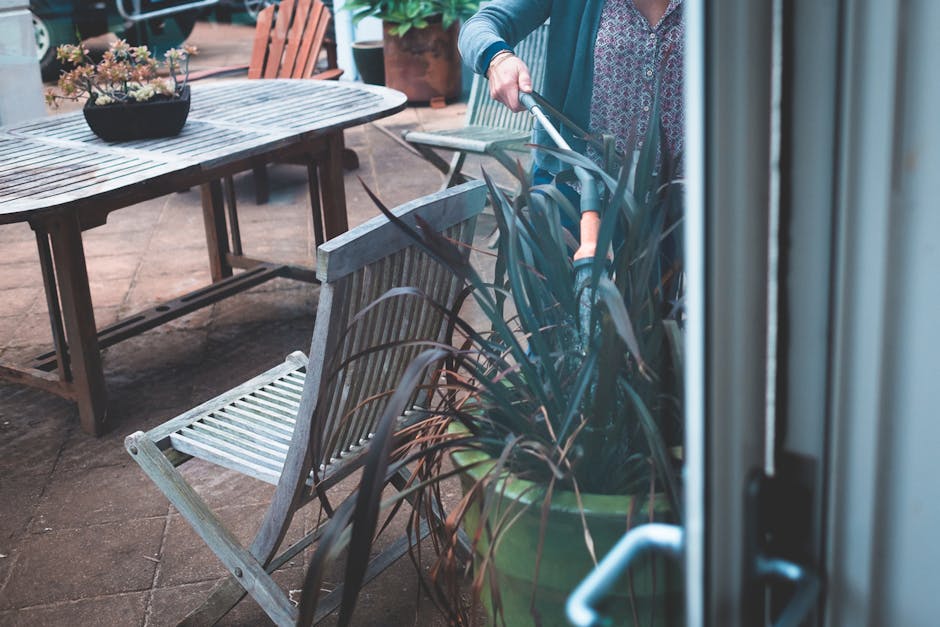
What changes in a terraced setting is the rhythm. Instead of leaving everything for a big annual tidy-up, the work is usually split into smaller jobs that are easier to manage through spring, summer, autumn, and winter. That might mean:
- light mowing and edge cutting during active growth periods
- hedge trimming before growth gets dense or uneven
- regular sweeping to keep paths and patios safe
- pruning and deadheading to encourage healthy regrowth
- clearance of leaves and green waste before damp build-up starts
Where trees are present, you may also need careful attention to canopy size, light levels, and safety. A mature tree can transform a small garden, but it can also overshadow the space if ignored. In those cases, it's sensible to look at tree lopping and removal as part of a larger plan, especially if branches are affecting fences, roofs, or access.
To be fair, many gardens do not need dramatic intervention. They need consistency. That's the real secret.
Key Benefits and Practical Advantages
A well-kept terrace garden gives you more than a neat view from the back door. The benefits stack up quickly when the space is used often.
- Better usability: Clean paths, trimmed edges, and managed planting make the garden more pleasant to walk through and sit in.
- Healthier plants: Pruning, feeding, and clearing debris improve airflow and reduce disease risk.
- Less weekend stress: Frequent maintenance means less dramatic catch-up work later.
- Improved kerb appeal: In a terraced row, small front gardens and visible back boundaries affect the whole property's presentation.
- Reduced risk: Removing moss, fallen leaves, and trip hazards helps keep outdoor areas safer in wet weather.
- More privacy and comfort: Trimmed hedges and managed screening can make a compact outdoor space feel calmer.
There's also a practical financial angle, though it's best not to overstate it. Regular care often reduces the need for major clearances, damaged paving repairs, or plant replacement. If you let weeds root deep in cracks or let a hedge run wild for two seasons, the cleanup becomes slower, messier, and usually more costly. That's just how it goes.
Another overlooked benefit is mental. Small gardens can feel like extra clutter if they're untidy, but they can feel like an extension of the home when they're maintained well. In a dense urban area like Plaistow, that bit of breathing space matters more than people admit.
Who This Is For and When It Makes Sense
This guide is useful if you live in a terraced house, maisonette, or small urban home in E13 and want your outdoor space to stay manageable without constant hassle. It's especially relevant if your garden has:
- a narrow layout with limited access
- shared or close boundary lines
- a mix of lawn, paving, and planting beds
- hedges or shrubs that grow quickly in spring and summer
- shady areas where moss, algae, or dampness build up
It also makes sense if you're moving into a new property and trying to figure out what the garden actually needs before things get out of hand. Sometimes a garden looks "fine" at first glance, then you notice the fence line is being swallowed by ivy, or the side return path is green with algae. Happens all the time.
If you enjoy gardening, this guide will help you build a routine that feels realistic rather than heroic. If you don't enjoy gardening, it will help you cut through the noise and focus on the few jobs that really matter. And if you'd rather not do it all yourself, that's fair too. Many homeowners prefer a blend of DIY tasks and professional support from a trusted local provider such as the services overview and other maintenance-related options on the site.
It's also relevant for landlords and rental property owners. Outdoor spaces in terraced homes can quietly affect how a property is perceived, and neglected gardens have a way of becoming a repeated issue rather than a one-off problem.
Step-by-Step Guidance
Here's a practical way to maintain a terraced garden in Plaistow without overcomplicating it. Think of it as a living routine rather than a one-time tidy.
1. Start with a clear walk-through
Walk the whole garden slowly. Look for broken edging, overgrown stems, weed patches, pooled water, sagging branches, and areas that feel blocked or awkward. Check the back corners first; those are usually where problems hide. It sounds basic, but the first pass tells you what sort of job you're actually facing.
2. Clear debris before cutting anything
Lift leaves, twigs, old pots, plastic, and loose clippings. On a small plot, debris quickly makes the space feel messier than it is. Clearing first also means you won't blunt tools or scatter waste around the garden while cutting. If the space has become heavily overgrown, a full garden clearance may be the cleaner starting point.
3. Deal with the lawn or ground cover
If you have grass, mow lightly rather than hacking it back to the base in one go. A terraced garden often has awkward light and moisture conditions, so a damaged lawn can look worse for longer. If the garden uses gravel, artificial turf, or paving instead, focus on weeds, moss, and surface debris. The maintenance method changes, but the principle stays the same: keep the surface healthy and tidy.
4. Trim hedges and shrubs before they become a nuisance
Trim regularly to keep growth even. In narrow gardens, a hedge that leans inwards can make the whole space feel smaller. If you want a cleaner boundary and better shape, a dedicated hedge trimming visit can be much more efficient than tackling it with blunt shears on a Saturday afternoon.
5. Prune selectively, not aggressively
Pruning is about encouraging the right growth, not just reducing size. Remove dead, diseased, or crossing branches first. Then shorten growth that blocks light or crowding pathways. If you're uncertain, trim a little and reassess. Over-pruning can leave a garden looking bare and stressed, which is the opposite of what you want.
6. Tackle weeds properly
Weeds in cracks and borders are common in terraced gardens, especially where paving meets soil. Pulling them before they seed is usually easier than fighting mature growth later. Persistent weeds often need repeated attention, not one dramatic pull. A tiny bit of regularity goes a long way.
7. Check drainage and damp spots
After rainfall, note where water sits. If a border stays wet for ages, the problem could be compacted soil, poor edging, blocked drainage, or simply too much shade. You may need to loosen soil, improve the surface, or rethink planting choices. This is one of those unglamorous jobs that prevents bigger issues later.
8. Finish with edging and a clean sweep
Edging gives the garden a finished look, and sweeping paths removes the slippery film that can build up fast in London weather. It's a small thing, but it changes the whole feel of the space. One clean edge can make a garden look twice as cared for. Slight exaggeration, maybe, but not by much.
Expert Tips for Better Results
In our experience, the gardens that stay easiest to manage have one thing in common: nothing is allowed to get too far ahead of the routine. That sounds obvious, yet it's the bit people tend to skip when life gets busy.
- Work in short sessions. Twenty minutes a week can beat a three-hour rescue mission once a season.
- Use the right cut height. Especially with grass, cutting too low in dry or shaded spots weakens recovery.
- Trim with the shape of the space in mind. In a terraced garden, open lines and visibility make everything feel larger.
- Keep tools sharp and clean. Dull blades tear growth rather than cut it cleanly.
- Prioritise access routes. A clear path to bins, sheds, and rear gates saves hassle every single week.
- Choose plants that suit the space. Fast-growing, high-maintenance plants can be lovely, but they're not always practical in a narrow garden.
One more thing: don't let the "perfect garden" idea get in the way of a functional one. A crisp, easy-to-use terraced garden is often better than a fussy one that needs constant attention. There's a kind of calm in that. Not fancy, just sensible.
If you're thinking about reshaping the layout or improving the whole outdoor flow, broader landscape gardening and landscaping services can help turn maintenance into something more manageable long term.
Common Mistakes to Avoid
Most terraced garden problems do not start as disasters. They start as little delays. A bit of this, a bit of that, and suddenly the whole space feels like work.
- Leaving everything until summer. Growth gets away from you quickly in warmer months.
- Cutting too much at once. This can shock plants and make the garden look harsh.
- Ignoring shaded areas. Moss, algae, and damp patches build quietly in those spots.
- Letting hedges squeeze the garden visually. Even a healthy hedge can make a small space feel cramped if it's too broad.
- Using the wrong tools for the job. A tiny hand tool for an overgrown border is noble, but a bit silly if there's a lot to clear.
- Forgetting waste removal. Clippings and cuttings left in piles become slippery, soggy, and unpleasant very quickly.
Another common mistake is assuming all maintenance is visible. Some of the most important work is the least glamorous: checking drainage, inspecting the fence line, removing dead material, and keeping growth away from brickwork. If you've got a decked section, make sure it's not being treated as "set and forget." A tidy deck needs its own upkeep, and the site's decking services may be useful if repairs or upgrades become part of the plan.
And yes, it's easy to underestimate the time involved. Terraced gardens look small until you start doing the actual job. Funny how that works.
Tools, Resources and Recommendations
You don't need a shed full of specialist kit to maintain a Plaistow terrace garden. A sensible basic set usually covers most tasks.
| Tool or item | Best use | Why it helps in terraced gardens |
|---|---|---|
| Hand pruners | Small pruning and deadheading | Useful in tight spaces and for detailed work |
| Hedge shears or trimmer | Shaping hedges and shrubs | Keeps growth neat without overcomplicating the job |
| Lightweight mower or strimmer | Grass and edges | Easier to manoeuvre where space is tight |
| Stiff broom and garden rake | Debris and leaf clearance | Fast clean-up for patios, paths, and borders |
| Weed puller or hoe | Weed control | Helps get roots out rather than just trimming tops |
| Gloves and eye protection | General maintenance | Simple protection, especially with thorny or dusty work |
Beyond tools, the best "resource" is often a realistic plan. Decide what you'll handle yourself, what you'll do monthly, and what's better left to a professional visit. If you want a clearer sense of service choices and scope, lawn mowing and services overview pages can help you compare what tends to sit inside a regular maintenance routine.
If your garden includes difficult access, repeated overgrowth, or a lot of cut material to remove, it's worth considering how waste will be handled. The company's recycling and sustainability page may be helpful if you care about greener disposal and tidier working practices.
Law, Compliance, Standards, or Best Practice
For garden maintenance in a terraced home, there usually isn't a single dramatic legal rule governing every task, but there are still important duties and expectations. You should always take care not to create a nuisance, damage shared boundaries, or leave hazards in a way that could affect neighbours or visitors.
Where trees or larger vegetation are involved, it is sensible to be cautious about ownership, overhanging branches, and whether any formal permissions or checks may be needed before major work. If a tree seems to be affecting a structure, blocking access, or becoming unsafe, treat it carefully and get informed advice before jumping in with a saw. It's one of those situations where "I'll just cut it back a bit" can become more complicated than it sounds.
From a best-practice perspective, professional garden maintenance should also include:
- safe tool use and proper protective equipment
- care around glass, uneven paving, and slippery surfaces
- respect for neighbouring properties and shared access points
- clear communication if work will create noise, waste, or temporary access disruption
- appropriate disposal of green waste and non-organic debris
If you're hiring help, it's sensible to check the provider's approach to safety and working standards. Pages such as health and safety policy and insurance and safety are useful trust signals because they show how a company thinks about responsible work, not just the finished result.
For customers who like clarity around booking and transactions, payment and security, pricing and quotes, and the company's terms and conditions can also help set expectations before any job begins.
Options, Methods, or Comparison Table
There's no single right way to maintain a terraced garden. The best method depends on time, budget, how overgrown the space is, and how much DIY you actually want to do. Here's a simple comparison.
| Approach | Best for | Pros | Limits |
|---|---|---|---|
| DIY weekly upkeep | Small, manageable gardens | Low cost, flexible, easy to keep on top of minor tasks | Needs discipline and time |
| Monthly tidy-ups | Busy households | Less effort overall, keeps the space under control | May not be enough in peak growth periods |
| Seasonal professional visits | Gardens that need occasional reset | Efficient, thorough, good for heavy growth or awkward jobs | Less control between visits |
| Full-service maintenance | Landlords, busy families, or complex gardens | Most consistent, usually best for presentation and safety | Higher ongoing cost |
For many Plaistow terraced homes, a hybrid approach works best: light DIY through the week, then a professional tidy or more intensive visit when the garden starts to drift. That gives you control without making every Sunday feel like a labour shift.
Case Study or Real-World Example
Here's a realistic example. A terraced home in E13 has a narrow rear garden with a patch of lawn, two borders, a small patio, and an old fence line that catches damp shade for most of the day. In early spring, it looks okay. By late May, the lawn edges are fuzzy, the borders are crowded, the patio has a green film, and a couple of shrubs are starting to lean into the path.
The homeowner starts with a full clear-out: leaves, broken stems, and a few forgotten plant pots. The lawn gets a gentle mow rather than a harsh cut. Hedges are trimmed back just enough to restore shape and light. Weeds are lifted from paving joints, and the patio is swept thoroughly. The damp corner near the fence gets attention too, because it keeps staying wet after rain.
What changes most is not just appearance. The garden becomes easier to move through. It feels wider. The back door opens onto a space that looks cared for, and the homeowner no longer dreads going outside to "deal with it." That emotional shift matters more than people expect. A manageable garden gets used. An overwhelming garden gets avoided.
If the same space had been left for another six months, the job would likely have involved more clearance, more cutting back, and probably some discussion about improving the layout or access. That's usually the turning point where support from a local team becomes worthwhile. One good reset can change the whole pace of the space.
Practical Checklist
Use this checklist as a quick seasonal or monthly prompt. It keeps things simple.
- Check the garden from back to front and note problem spots
- Remove loose debris, litter, and old clippings
- Mow grass or tidy ground cover as needed
- Trim hedges and shrubs before they block light or paths
- Pull weeds from borders and paving joints
- Inspect for moss, algae, and slippery patches
- Look for pooled water or consistently damp areas
- Cut back dead, damaged, or crossing growth
- Sweep patios, steps, and walkways
- Bag or remove green waste promptly
- Check fence lines, pots, and edging for damage
- Review whether any heavier work is overdue
If you only do three things, do these: clear debris, cut back growth that blocks access, and sweep hard surfaces. Those three alone can make a small terrace garden feel much better, very quickly.
Conclusion
A terraced garden in Plaistow E13 does not need to be huge to need attention. In fact, the smaller and more enclosed it is, the more each maintenance decision affects how the whole space feels. The good news is that you do not need to do everything at once. A steady, practical routine usually beats dramatic overhauls.
Focus on the basics: regular mowing or surface care, timely trimming, proper weed control, debris removal, and a sensible seasonal rhythm. Keep the garden open, safe, and easy to move through. That's the real goal. Not perfection. Just a space that works for your home and your life.
If you want to make progress without taking on a full weekend of heavy lifting, take the next step with a local team that understands compact London gardens and the realities of terraced homes.
Get a free quote today and see how much you can save.
And if you're still deciding what level of help you need, start small. A little consistency goes a long way, and a good garden has a way of giving that effort back to you. Quietly, but definitely.
Frequently Asked Questions
How often should a terraced garden in Plaistow be maintained?
Most terraced gardens benefit from light attention every week or two during the growing season, plus a more thorough tidy-up each month. If the space has hedges, paving, or shaded areas, regular checks make a big difference.
What is the easiest maintenance routine for a small E13 garden?
The easiest routine is usually simple: sweep hard surfaces, pull weeds, trim growth before it gets messy, and mow or tidy the lawn when needed. Small, frequent jobs are much easier than one huge catch-up day.
Do terraced homes need professional garden maintenance?
Not always, but professional help is useful if the garden is overgrown, awkward to access, or needs recurring work you can't keep up with. Many homeowners use a mix of DIY and professional visits.
What should I do if my garden is badly overgrown?
Start with clearance rather than trimming straight away. Remove debris, assess the structure of the plants, and then cut back gradually. If it feels too much, a proper clearance service is often the safest and quickest route.
How do I stop weeds coming back in paving and borders?
Regular removal helps, but so does keeping the area swept and well maintained. Weeds are much easier to control when they are caught early, before roots and seeds spread.
What are the biggest maintenance issues in terraced gardens?
The most common ones are limited access, shade, damp patches, overgrown boundaries, and clutter building up fast in small spaces. Narrow gardens show neglect quickly, so regular care really matters.
Is hedge trimming important in a small garden?
Yes. In a compact garden, a hedge that grows too wide can make the whole space feel smaller and darker. Trimmed hedges improve light, access, and overall balance.
Should I worry about trees in a terraced garden?
If you have trees, keep an eye on size, light, root impact, and any branches affecting structures or neighbours. Larger tree work should be approached cautiously, especially if safety is involved.
What tools do I really need for basic garden upkeep?
At minimum, useful tools include gloves, pruners, a broom, a rake, and something suitable for mowing or edging if you have grass. A few good tools are better than a cupboard full of the wrong ones.
How can I make a small garden easier to look after?
Choose practical planting, keep pathways clear, avoid overcrowding borders, and don't let growth get ahead of you. A manageable layout is often just as important as the maintenance itself.
When is the best time to do heavier garden work?
That depends on what needs doing, but milder dry spells are generally easier for larger tidy-ups. If you are cutting back, clearing, or reshaping, avoid leaving the space half-finished for too long.
How do I know whether I need clearance or routine maintenance?
If the garden is still broadly under control, routine maintenance may be enough. If access is blocked, growth is tangled, or waste has built up, clearance is usually the better first step.
Can garden maintenance help with kerb appeal for a terraced house?
Absolutely. A neat front or rear garden can improve the overall presentation of the home straight away. In a terraced row, those little details stand out more than people think.