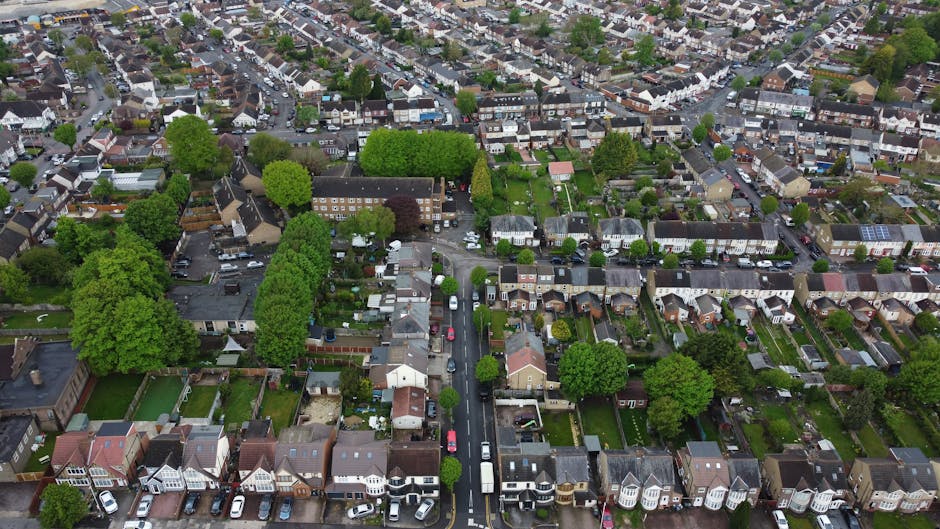
How gardeners price driveway and patio work in E16 Royal Docks

If you are trying to understand how gardeners price driveway and patio work in E16 Royal Docks, you are probably balancing three things at once: the size of the job, the finish you want, and whether the quote actually makes sense. Fair enough. A driveway or patio can look simple from the road, but once you start factoring in preparation, waste removal, access, materials, and the time it takes to do the work properly, the price can shift quite a bit.
This guide breaks down the real-world pricing logic gardeners and landscaping teams tend to use in the Royal Docks area. You will see what usually drives the cost, where quotes often differ, what to ask before agreeing to anything, and how to avoid the classic "cheap at first, expensive later" trap. If you are comparing patios, hard landscaping, or a broader garden refresh, this should help you read a quote with a much sharper eye.
Why how gardeners price driveway and patio work in E16 Royal Docks matters
Driveway and patio work is not priced like a quick mow or a light tidy-up. In most cases, it sits in the awkward middle ground between gardening and landscaping. That means the quote can include a mix of labour, site prep, light construction, disposal, and finishing touches. If you only compare the headline number, you can miss what is actually included.
In E16 Royal Docks, this matters even more because access can be tight, properties can vary a lot, and many outdoor spaces have a bit of history to them. One home may have a clear path to the rear garden. Another may need materials carried through a side access that is barely wide enough for a wheelbarrow. That difference affects labour time, and labour is a big part of the final figure.
There is also the simple truth that a patio or driveway is one of those jobs where quality shows very quickly. You can tell when levels are wrong. You can tell when joints are uneven. You can tell when drainage has been treated as an afterthought. To be fair, nobody wants to pay twice to put things right.
It helps to think of pricing as a combination of five questions: what needs doing, how much prep is needed, what materials or disposal are involved, how difficult the access is, and how tidy the finished result must be. Once you look at it that way, a quote becomes much easier to understand.
For wider garden work around a driveway or patio, some homeowners also combine the job with garden services overview, landscaping, or landscape gardening so the whole outdoor space is planned as one project rather than a series of separate fixes.
How pricing driveway and patio work actually works
Most gardeners and landscaping contractors price this kind of work using a blend of site visit assessment, time estimation, material needs, and risk allowance. They are not just guessing. Well, the good ones are not. They are trying to answer a practical question: how long will this take, what might get in the way, and what does it cost to do it properly?
1. The site visit sets the baseline
A proper quote normally starts with a look at the area. The contractor checks the size, surface condition, slope, drainage, access, and any obstacles such as sheds, tight corners, old tree roots, or built-in edges. A flat, open patio is a very different job from a cracked surface with broken edging and poor runoff after heavy rain.
In real life, the estimate often changes once someone steps onto the site and sees the muddy patch at the back, the hidden rubble under the old paving, or the awkward gate that makes materials handling slower. That is normal. What you want is a quote that reflects reality, not one built from wishful thinking.
2. Labour time is usually the biggest cost driver
Labour tends to sit at the heart of pricing. If a job needs careful removal of old slabs, levelling of the base, relay work, jointing, edging, cleaning, and finishing, the time adds up quickly. A small repair job may take a few hours. A full patio reset can take a couple of days or more, depending on access and condition.
Gardeners may price by the hour, by the day, or as a fixed project rate. Fixed quotes are often easier for customers, but they depend on the contractor feeling confident about the scope. If the work is unclear, they may add a contingency to protect themselves from underpricing. That is not them being difficult. That is just business, frankly.
3. Materials and waste disposal change the number
If the work includes new paving, gravel borders, edging, sand, sub-base material, jointing compound, or disposal of old slabs and spoil, those items all affect the quote. Even when the work is mainly "gardeners doing patio work", the material list can grow quickly.
Waste is a big one. Heavy rubble is not the same as bagged green waste from garden clearance. A contractor may need extra labour for loading, more vehicle runs, or disposal charges built into the price. If the quote says "waste included", ask what that actually means. Included usually means included, yes, but included in what volume?
4. Access and logistics matter more than people expect
A patio job in a neat, open garden can be efficient. A job where everything must be carried through a terrace house, down side steps, and around a narrow corner is slower. Materials, tools, and rubble all have to be moved by hand. That is time, and time is money.
Royal Docks properties can be straightforward in some places and fiddly in others. One house may have ideal access from the side. Another may require extra protection for paths, doors, or communal areas. Those details matter, and they are easy to miss if nobody asks about them early.
5. Finishing standard affects price as well
There is a world of difference between a basic practical finish and a high-end one. Straight lines, consistent levels, crisp edges, and neat pointing take more skill and more time. If you want the area to sit comfortably beside decking, planting, or a freshly maintained lawn, the finish usually needs more care. That can add to the price, but it also improves the final look and longevity.
For projects that sit alongside timber features or seating areas, it may be worth looking at decking services at the same time, especially if you want the whole garden to feel connected rather than patched together.
Key benefits and practical advantages
Understanding pricing does more than help you save money. It helps you buy the right job. That may sound obvious, but lots of people only realise it after the wrong work has already been agreed.
- Clear budgeting: You can compare like with like instead of comparing a thin quote with a fuller, safer one.
- Better decisions: You can tell whether you need simple repair work, full relaying, or a wider landscaping job.
- Less risk of surprise costs: Knowing what affects the price helps you ask the right questions upfront.
- Longer-lasting results: A well-priced job often includes proper preparation, which is what makes patios and driveways last.
- Improved kerb appeal: A smart driveway or patio can transform how a home feels the moment you step outside.
There is also a quieter benefit: peace of mind. When a quote is well explained, you are not left wondering whether something important has been skipped. That matters more than people think, especially if the work is being done around family schedules, parking restrictions, or shared access.
Practical summary: In E16 Royal Docks, the best driveway and patio quotes are usually the ones that explain access, prep, waste, finishing level, and what is excluded as clearly as the price itself.
Who this is for and when it makes sense
This kind of pricing guide is useful if you are:
- planning to refresh a tired patio or cracked driveway
- getting the garden ready for sale or letting
- combining hard landscaping with broader garden improvements
- comparing a few quotes and trying to spot what is missing
- looking for a local contractor who can handle both practical and visual work
It also makes sense if you are not yet sure whether you need a gardener, landscaper, or a mixed team. A simple patio wash and tidy might sit comfortably under garden maintenance. A full rebuild, edging redesign, or layout change leans more toward landscaping. And if the space is overgrown before work starts, you may need lawn mowing or even a bit of hedge work first so the area can be assessed properly.
Sometimes the job is not really "just a patio job" at all. It is a sequence. Clear it, inspect it, repair it, and then finish it so it actually works in daily use. That is the bit people usually miss.
Step-by-step guidance
If you want a quote that is accurate and fair, take a calm, methodical approach. Rushing this part is where people get caught out. Here is the process that tends to work best.
Step 1: Define the exact job
Be specific. Do you want cleaning, relaying, repair, replacement, re-levelling, edging, or full redesign? A contractor cannot price vague intent very well, no matter how experienced they are.
For example, "my patio is uneven and muddy after rain" is a symptom. "Lift and relay 12 square metres, check base, improve drainage, and replace damaged edging" is a job description.
Step 2: Measure or roughly estimate the area
You do not need to be a surveyor. A rough length and width is enough to start. If you can take a couple of photos in daylight, even better. Morning light can hide bumps, by the way, so a photo later in the day is often more honest. Tiny detail, but helpful.
Step 3: Note access and obstacles
Can materials get to the work area easily? Are there steps, narrow side passages, shared entrances, or parking limitations? If there is an old tree stump nearby, damaged paving, or dense planting around the edge, mention it. A good contractor will want to know before pricing.
Step 4: Ask what preparation is included
This is one of the most important questions. The quote should say whether the price includes removal of old materials, base preparation, levelling, compaction, jointing, and final clean-up. The prep is where a lot of the value lives. Skipping it can save money now and cost more later. Typical story, sadly.
Step 5: Confirm waste handling
If old slabs, soil, gravel, or broken edges need removing, find out whether disposal is included. If not, ask how it will be charged. A clear answer here is usually a good sign.
Step 6: Compare the scope, not just the total
When you have more than one quote, line them up on paper. Compare labour, materials, prep, waste, access assumptions, and finish standard. Often the cheapest quote leaves out exactly the things that later become extras.
Step 7: Agree the timeline and payment terms
You should know when the work starts, how long it is expected to take, and what payment stage applies. If you want to read a provider's approach to billing and secure payments, their payment and security information can help set expectations before any work begins.
Expert tips for better results
After enough site visits, a few practical patterns become obvious. The following tips save time, money, and irritation.
- Ask for assumptions in writing. If the quote depends on "easy access" or "surface in reasonable condition", make sure you know what that means.
- Bundle related work if it helps the flow. If hedges, lawn edges, or overgrown borders are blocking access, dealing with them in the same visit can be smarter than splitting the job up.
- Think about drainage early. Water sitting near doors or pooling on slabs is a problem waiting to happen. A good team will discuss levels before fitting anything new.
- Choose the right finish for the space. A front driveway may need a more durable approach than a decorative patio at the back.
- Leave room for small changes. Old gardens have surprises. A buried concrete lump or broken sub-base can change the plan quickly.
If the work is part of a wider garden redesign, it can also be wise to review the contractor's broader insurance and safety position and whether they publish anything about working methods, because outdoor jobs often involve lifting, cutting, and moving heavy material. Nothing dramatic, just sensible.
One more thing. If someone gives you a quote that is suspiciously tidy and unbelievably low, ask what they have not included. Sometimes the answer is harmless. Sometimes it is the whole job.
Common mistakes to avoid
People make a handful of predictable mistakes when pricing or buying driveway and patio work. They are common enough that they almost deserve a warning label.
- Comparing only the final number. A low quote may exclude prep, removal, or finishing.
- Not checking access. Tight access can add real labour time, and that needs to be priced honestly.
- Ignoring drainage. Pretty paving with bad runoff is still a problem.
- Assuming every contractor means the same thing by "finish". The word sounds neat, but one person may mean basic tidy-up while another means detailed levelling and edging.
- Forgetting how the rest of the garden affects the job. A rough border, cluttered access, or overgrown shrubbery can slow everything down.
- Changing the scope mid-quote. A small extra here and there becomes a real cost if the plan keeps shifting.
There is also a softer mistake: being embarrassed to ask questions. Don't be. Good contractors expect it. In fact, a sensible question now is better than a tense conversation on day two when the rubble starts piling up.
Tools, resources and recommendations
You do not need specialist equipment to prepare for a quote, but a few simple tools help a lot.
- Measuring tape: Helpful for rough dimensions of the patio or driveway.
- Phone camera: Take photos from several angles, ideally with good natural light.
- Notebook or notes app: Jot down access issues, slopes, and any areas that hold water.
- Basic sketch: A rough hand-drawn layout can be surprisingly useful.
- Checklist of questions: Keep your quote questions in one place so nothing gets missed.
For homeowners who are comparing several kinds of outdoor work, it helps to look at the whole picture rather than one surface at a time. A patio may sit beside a hedge line, a planting bed, or a path that needs reshaping. If you are already planning multiple tasks, the site may benefit from a broader plan through services overview rather than isolated fixes.
And if part of the job is tidying a neglected plot before any hard landscaping begins, a more intensive garden clearance can be the sensible first step. Not glamorous, but it clears the path, literally.
Law, compliance, standards, or best practice
For driveway and patio work, the biggest legal and best-practice issues are usually safety, waste handling, and any work that could affect drainage, boundaries, or neighbouring properties. You do not need to become a legal expert, but you should expect the contractor to work carefully and explain anything unusual.
In the UK, good practice generally means:
- working safely with appropriate equipment and lifting methods
- disposing of waste responsibly
- avoiding damage to shared paths, walls, fences, or utilities
- being honest about scope and exclusions
- using suitable materials and sensible construction methods for the site
If the work touches trees, roots, or large branches near the area, you may also need a specialist conversation about tree lopping and removal. That is especially relevant when roots are disturbing slabs or when branches limit access or light. The point is not to overcomplicate things, just to avoid leaving a root or drainage issue unresolved.
Best practice is also about clear communication. A quote should not hide the ball. It should tell you what is included, what is not, and what would trigger a change in price. That is the sort of transparency that protects both sides, and it is the sort of thing a homeowner can reasonably expect.
Options, methods, or comparison table
Not every outdoor surface problem needs the same solution. Sometimes a small repair is enough. Other times you are better off starting over. Here is a simple comparison to help frame the decision.
| Approach | Best for | Typical advantages | Possible drawbacks |
|---|---|---|---|
| Basic cleaning and minor tidy-up | Patios or driveways that are structurally sound but dull or dirty | Lower cost, quicker turnaround, immediate visual improvement | Won't solve sinking, drainage, or broken surfaces |
| Repair and patching | Small damaged areas, loose slabs, edge issues, isolated defects | Good value if the base is mostly fine | Can look uneven if the surrounding surface is already worn |
| Lift and relay | Uneven patios, poor levels, localised movement | Improves function and appearance without full replacement | More labour-intensive; hidden base issues can raise cost |
| Full redesign or replacement | Worn-out driveways, major drainage problems, tired layouts | Best long-term outcome and more flexible design options | Highest cost and more disruption |
If you are not sure which route applies, the key question is simple: is the surface mainly tired, or is it genuinely failing? That one distinction saves a lot of unnecessary spending. A bit of honesty goes a long way here.
Case study or real-world example
Picture a fairly typical Royal Docks back garden. The patio is solid in places but uneven near the edge, one corner holds water after rain, and the access is through a side passage that is usable but not generous. On first look, the owner wants "a bit of patio work".
After a proper visit, the contractor sees that the old pointing has broken down, several slabs have moved, and there is debris around the edge that will need clearing before any levels can be checked. The quote is no longer just about replacing a few slabs. It now includes lifting, preparing the base, correcting the fall so water runs away from the house, relaying, and disposing of waste.
That kind of example is exactly why pricing can vary. Two contractors might both be honest. They may simply be pricing different scopes. One is pricing a cosmetic fix. The other is pricing a proper repair. The cheaper one might look attractive until the patch fails again after the next heavy shower, and then you are back at square one.
In a real job, the homeowner often ends up happier spending a bit more on the version that solves the underlying problem. Not because they love spending money, obviously, but because the result stops being annoying every time it rains. There is a certain relief in that.
Practical checklist
Use this before accepting any quote for driveway or patio work in E16 Royal Docks.
- Have I clearly defined the work I want?
- Have I measured or roughly estimated the area?
- Have I noted access issues, steps, gates, or parking limits?
- Do I know whether the quote includes preparation, removal, and clean-up?
- Has drainage been discussed if the surface is sloped or pooling water?
- Have I checked whether waste disposal is included?
- Do I understand the expected finish standard?
- Am I comparing the same scope across different quotes?
- Have I asked about timeline and payment terms?
- Does the contractor seem clear, practical, and easy to talk to?
If you can tick most of those off, you are in good shape. If not, pause a minute and ask for clarification. It is much easier now than halfway through the job with a pile of slabs beside the fence.
Conclusion
How gardeners price driveway and patio work in E16 Royal Docks comes down to a few practical realities: the amount of labour involved, the condition of the existing surface, site access, disposal needs, and the standard of finish you expect. Once you understand those moving parts, quotes become much easier to interpret.
The best approach is not to hunt for the lowest number. It is to find the quote that explains the job properly and matches the outcome you want. That usually leads to better value, fewer surprises, and a cleaner result that lasts longer than the first decent-looking patch of weather.
If your project also involves wider garden work, it may help to review options across pricing and quotes and related services so the whole plan hangs together neatly. And if you need to understand who is behind the work, about us can help you get a feel for the team and how they approach local jobs.
Get a free quote today and see how much you can save.
At the end of the day, a well-planned patio or driveway should make life easier when you step outside on a damp morning or a bright summer evening. That's the real win.
Frequently Asked Questions
How do gardeners usually calculate driveway and patio prices?
They usually look at labour, materials, access, preparation work, waste removal, and the finish required. A site visit often gives the most accurate picture because small details can change the quote quite a lot.
Why do two quotes for the same patio work look so different?
Because the contractors may be pricing different scopes. One may include lifting, levelling, drainage correction, and waste disposal, while another may only be pricing the visible surface work. Always compare what is included, not just the total.
Is a fixed-price quote better than an hourly rate?
Usually, yes, for larger driveway or patio jobs. A fixed price gives you more certainty, provided the scope is clearly described. Hourly pricing can work for small repairs, but it can be harder to budget for.
What makes driveway and patio work more expensive in E16 Royal Docks?
Common factors include tight access, awkward carrying routes, hidden preparation work, old materials that need removing, and surface issues such as uneven levels or drainage problems. Local site conditions matter more than people sometimes expect.
Should I ask if waste removal is included in the price?
Yes, absolutely. Waste handling can be a meaningful part of the job, especially if old slabs, rubble, or spoil need to go. If it is not included, ask how it will be charged.
Do I need a gardener or a landscaper for patio work?
It depends on the scope. Small tidy-up or repair jobs may suit a gardener with the right experience, while full relaying or redesign work is often better handled by a landscaping team. If the job is bigger, think landscape rather than just maintenance.
Can patio work be combined with other garden jobs?
Yes, and often that is the smarter way to do it. Combining hedge trimming, lawn work, clearance, or bordering can save time and make the whole garden feel more coherent.
What should I check before accepting a quote?
Check the scope, access assumptions, preparation included, waste disposal, timeline, payment terms, and expected finish. If anything sounds vague, ask for it in writing before work starts.
How do I know if a quote is suspiciously cheap?
If the price is far lower than others, look closely at what is missing. Cheap quotes often leave out prep, disposal, or proper finishing. Sometimes they are fine, but more often they are incomplete.
What if my patio has drainage problems?
Bring it up early. Drainage can affect levels, materials, and the overall method used. A good contractor should explain how they plan to move water away from the property and avoid future pooling.
Can tree roots affect driveway and patio pricing?
Yes. Roots can disrupt levels, lift slabs, or make excavation more complicated. If trees are nearby, mention them at the quotation stage. If needed, related tree work may need to be considered separately.
How far in advance should I request a quote?
As early as you reasonably can, especially if you want the work completed around a move, sale, or summer garden project. Early planning usually gives you more room to compare options calmly and avoid rushing.